
At Deljo Heating, Cooling & Plumbing, we’ve provided AC repair in Niles and other Chicagoland communities for generations, and we know that the system keeping your home or office cool and comfortable for months on end represents a considerable investment.
To help you get the most return for your hard-earned money, we want to point out a few things for you to consider before investing in an AC system.
How large should the air conditioner be?
When you contact Deljo for a free, no-obligation estimate, our experienced, NATE-certified technician will first conduct what’s called a Manual load calculation. This HVAC industry standard takes into consideration a host of factors including your home or office’s size and layout, its orientation, the amount of shade, if any, and the number and location of windows and outside doors.
With this information, we can provide an updated calculation of your home or office’s cooling needs, and from there we’ll design a system that will cool your property efficiently and effectively.
How efficient is the new system?
Today, air conditioner efficiency is measured by the Seasonal Energy Efficiency Ratio (SEER) which indicates how effectively the AC system removes heat from air conditioned space. The government now requires that all AC units have a SEER rating of 13 or higher. Air conditioners with a higher SEER rating are more efficient, and that can lead to considerable savings on your utility bill.
How long will installation take?
If you’re purchasing a new system, you doubtless want the work completed as quickly as possible, especially if it’s being done in the summer! Depending on the project, installation may take several days, but when you work with Deljo we’ll explain the entire process and give you a reliable timeline for completion of the work.
What’s the total cost?
When it comes to a major investment like a new AC, you want to know exactly what you’re etting into. Our technician can explain the total cost breakdown, including the price of the system, labor costs and charges for extras such as air quality components and new thermostats. And don’t forget, Deljo offers a variety of finance options suitable for virtually any budget.
So, if you’re ready to take the plunge, not just for AC repair in Niles but for a new AC system, call Deljo today at 773-829-4295, and let’s get to work. We also provide plumbing services in Niles, IL.
Recent Jobs and Reviews in Niles, IL
Niles, IL at a glance
Deljo Heating, Cooling & Plumbing has completed 20 jobs in Niles, IL between June 2026 and October 2026.
The most recent job was on October 13, 2026.
Deljo Heating, Cooling & Plumbing has completed 40 jobs in Niles, IL in the last 12 months.
Job Locations and Reviews
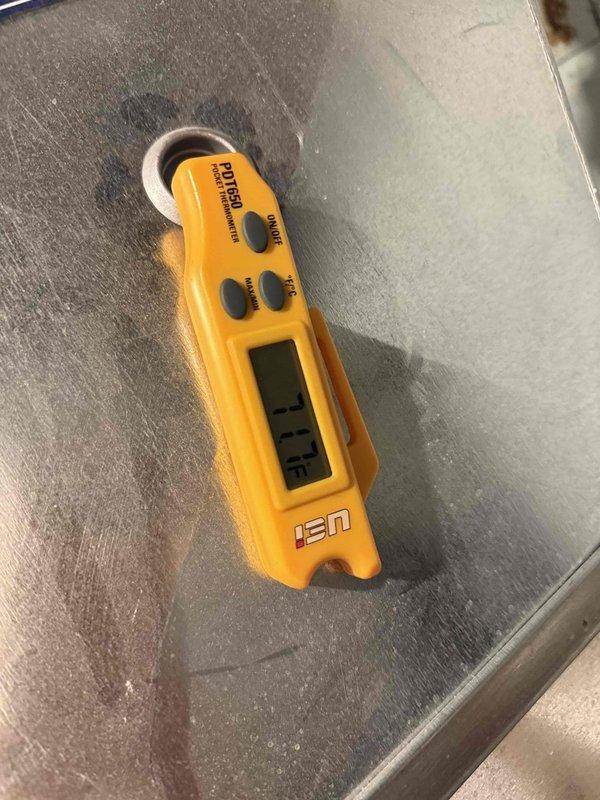
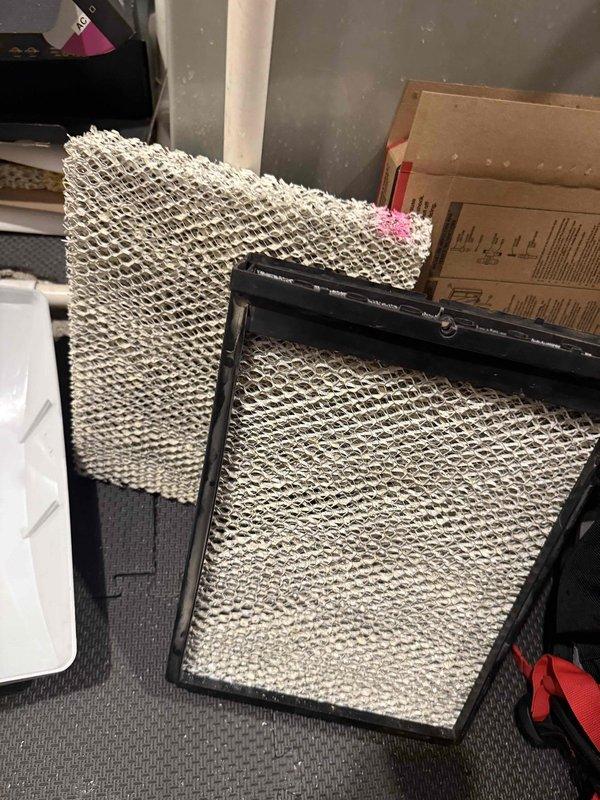

Completed comprehensive maintenance on furnace and humidifier system per maintenance agreement #35. Performed standard cleaning and inspection procedures, verified system operation with digital temperature measurements showing proper functionality at 1.1 degrees differential, and replaced humidifier evaporator pads with new honeycomb-structured filters in black frames to ensure optimal humidity control and air quality for the upcoming heating season.
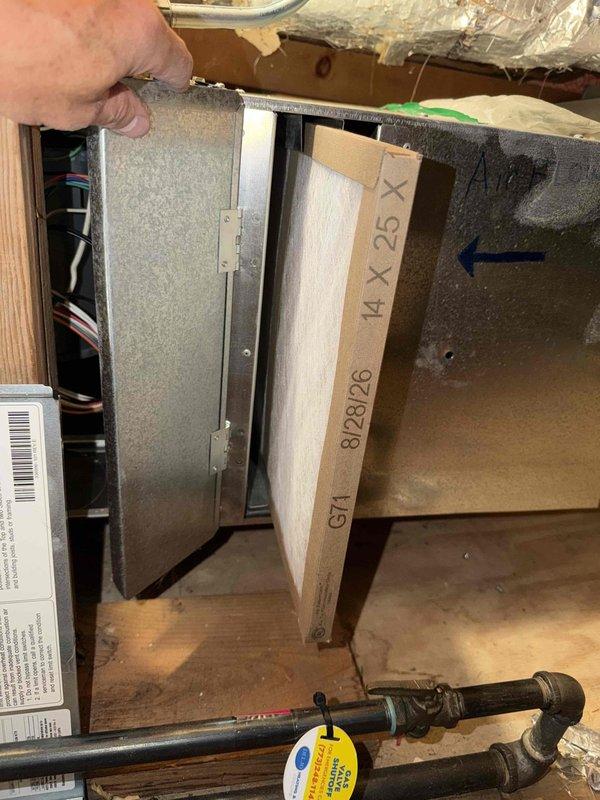
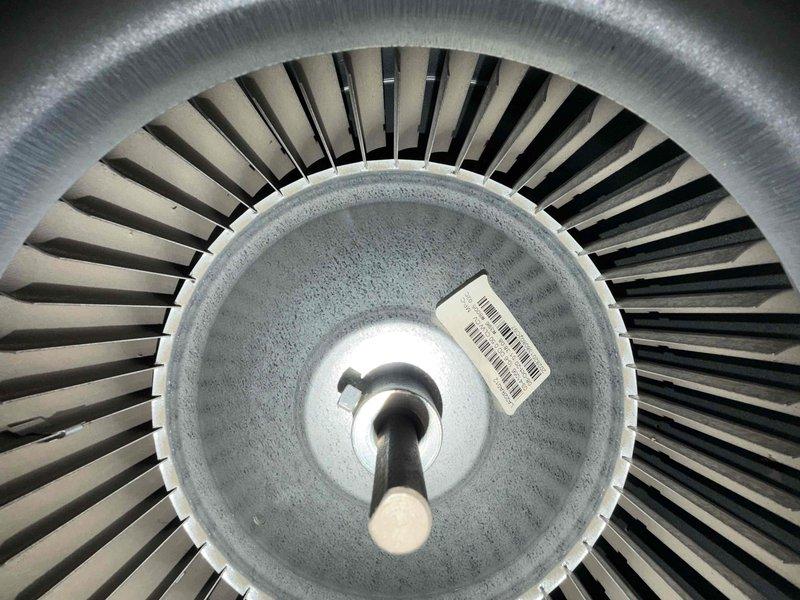

Completed comprehensive maintenance on two furnaces and one humidifier as part of preventative maintenance agreement. Performed cleaning and inspection procedures on both heating units, including blower wheel assemblies and internal components. Verified proper operation of humidifier system and confirmed filter size requirements at 14x25x1. All equipment inspected, cleaned, and returned to normal operating condition with photographic documentation of work performed.
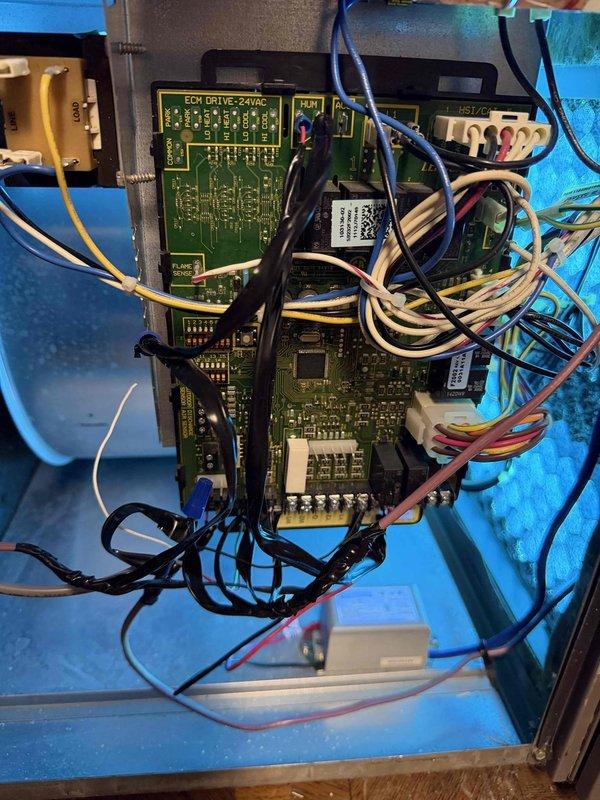
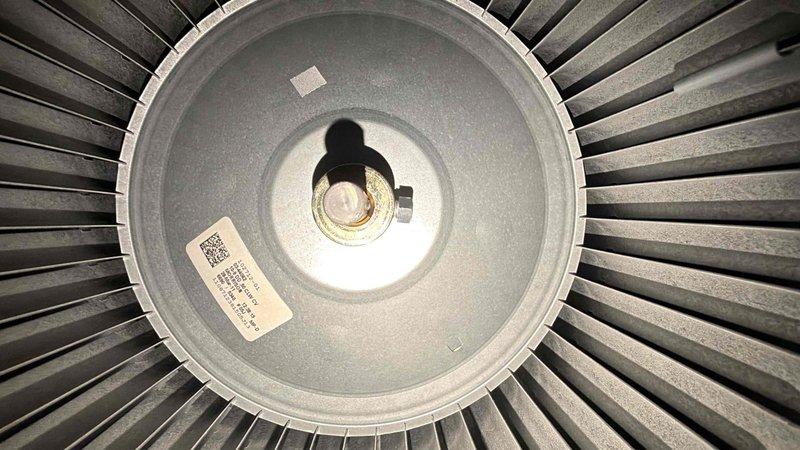
Completed scheduled maintenance inspection on furnace system per maintenance agreement. Inspected and documented ECM blower motor assembly, verifying proper operation of electronically commutated motor drive control board and associated wiring connections. Examined blower wheel assembly for cleanliness and mechanical integrity, confirmed secure mounting and proper clearances.
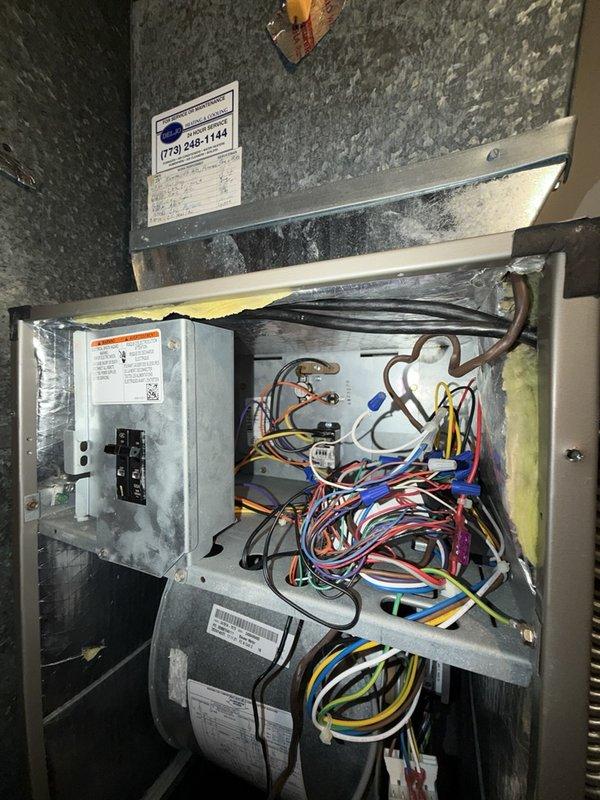
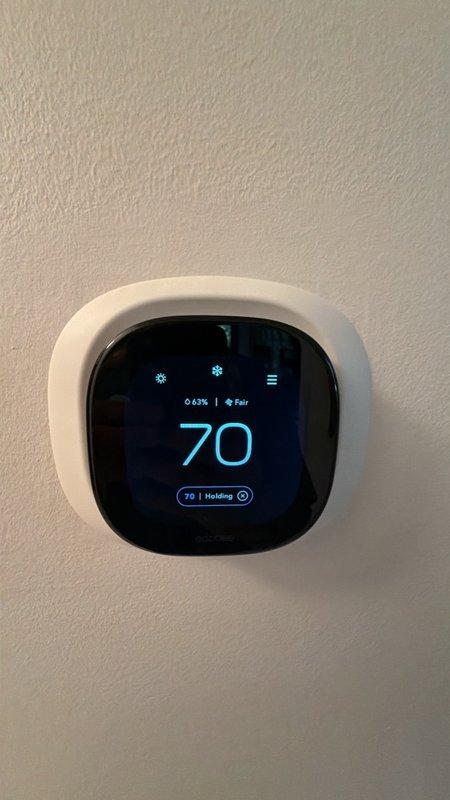

Completed comprehensive HVAC maintenance agreement service on air handler system with heat strip and air conditioning components. Performed thorough inspection of internal electrical and mechanical components, including blower motor, capacitors, wiring connections, and control board housed within closet installation. Verified proper operation of all electrical connections and components, inspected refrigerant lines, and confirmed heat strip functionality. Installed new 16x20x1 filter as part of routine maintenance protocol. Verified smart thermostat operation displaying 70°F setpoint with heating mode engaged. All system components found operational with no deficiencies noted during inspection.
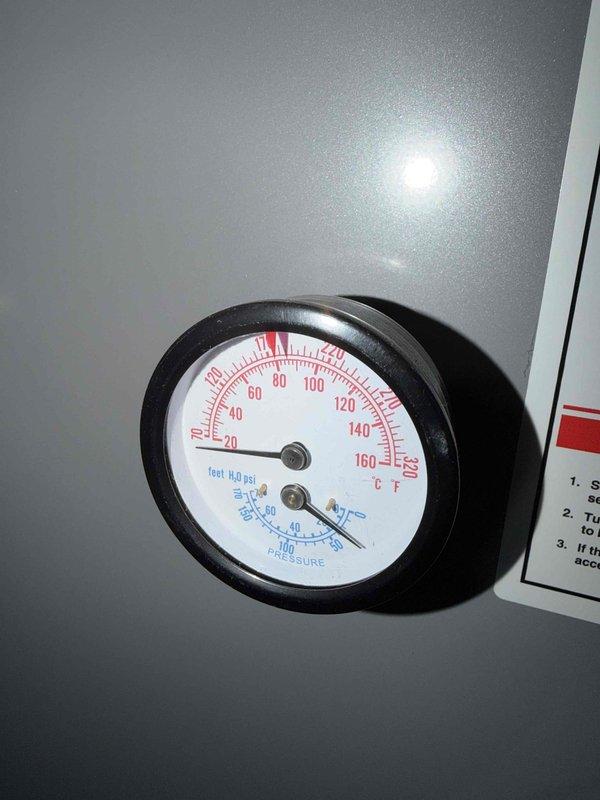
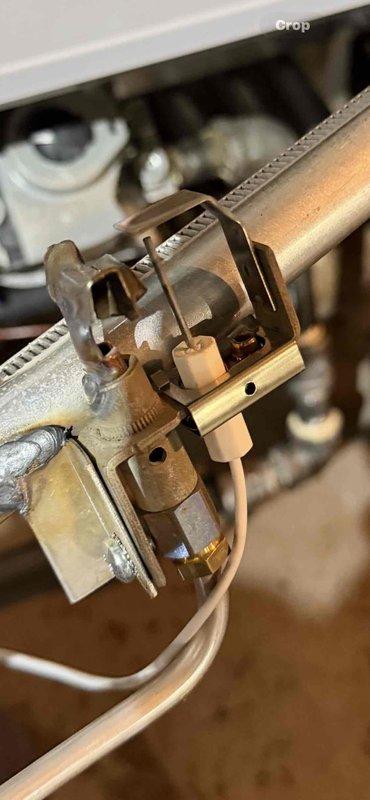
Performed comprehensive maintenance inspection on boiler system as part of scheduled agreement service. Conducted thorough evaluation of gas valve assembly, burner components, and pressure/temperature controls. Verified proper operation of gas train components and confirmed all safety mechanisms functioning within manufacturer specifications. Inspected pressure gauge readings and documented system parameters, with temperature and PSI levels showing normal operating ranges. All electrical connections to gas valve assembly examined and found secure. System operating efficiently with no deficiencies noted during inspection.
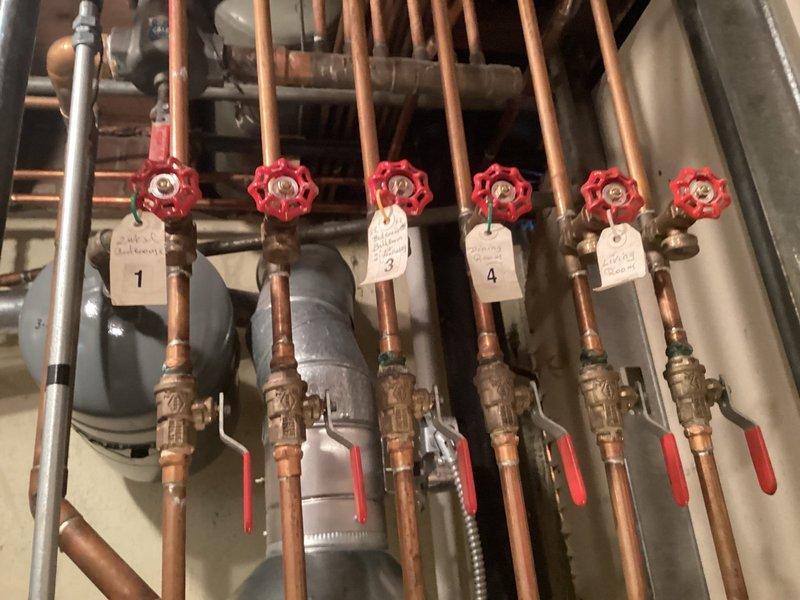
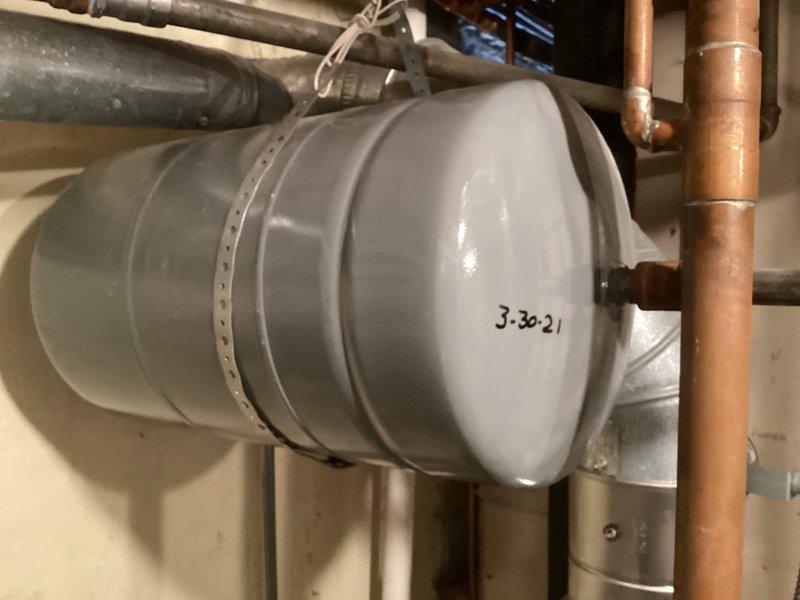

Performed routine maintenance on water boiler system including inspection of six-zone copper manifold with ball valves and gate valves, all zones properly tagged and operational. Inspected expansion tank and associated plumbing connections, verified all components functioning within normal parameters with no leaks or deficiencies noted.
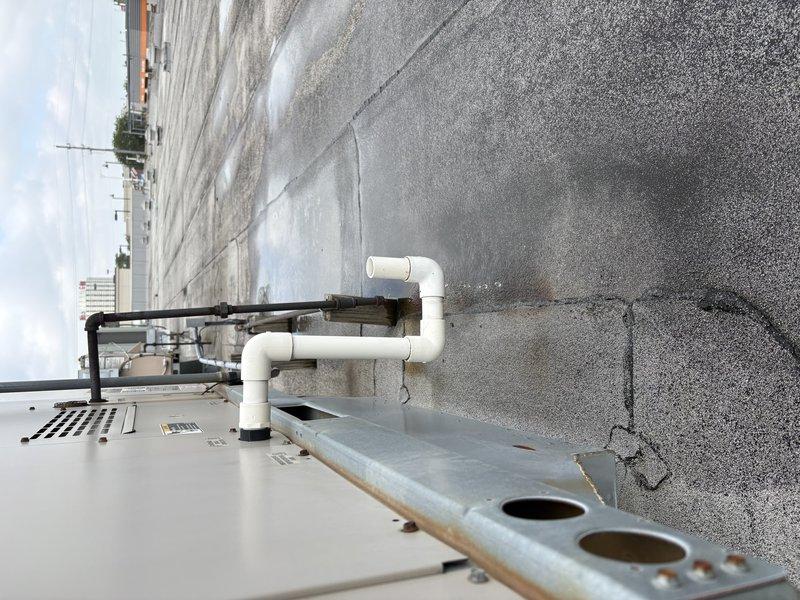
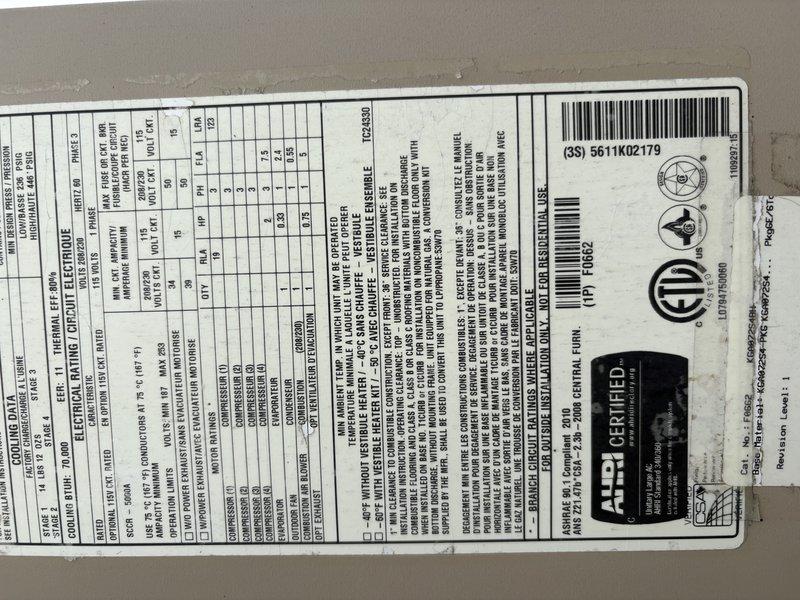

Conducted site assessment for commercial rooftop unit replacement, evaluating existing 6-ton RTU and documenting current rooftop conditions including membrane type, drainage systems, and equipment access. Photographed unit nameplate specifications and surrounding rooftop infrastructure to provide accurate quote for replacement equipment and installation requirements.
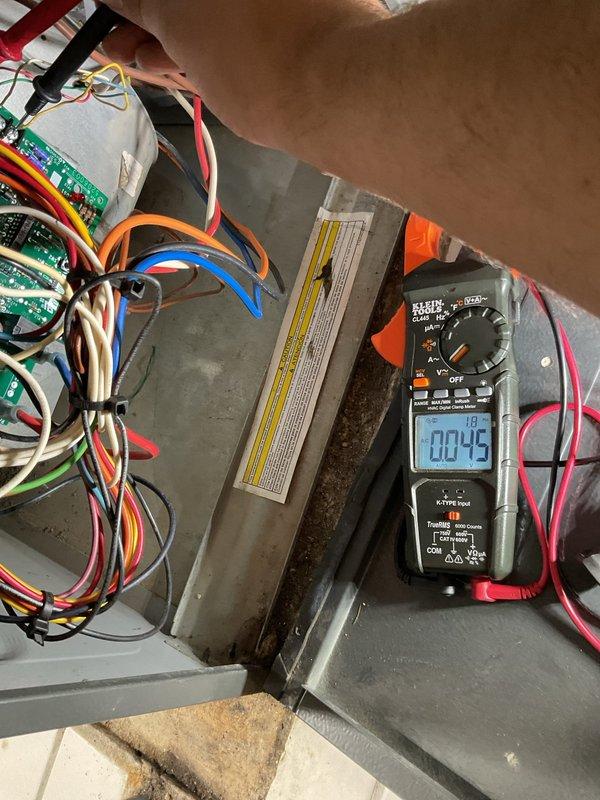
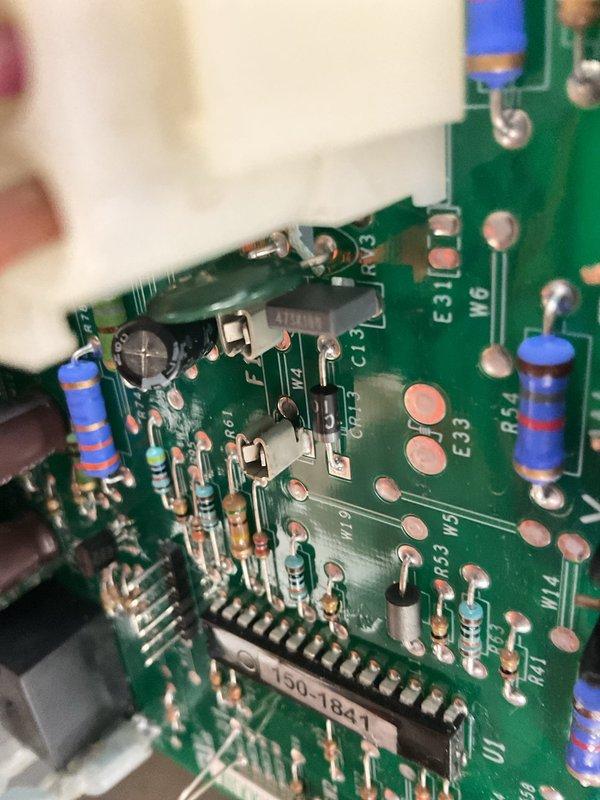

Responded to emergency no-cool call on seven-year-old air conditioning system. Performed diagnostic testing using digital multimeter to check electrical components and control board functionality. Upon inspection, identified failed control board with visible component damage; tested voltage readings at multiple connection points to confirm board failure as root cause of system shutdown. Replaced defective circuit board, verified all electrical connections, and successfully restored cooling operation to the system.
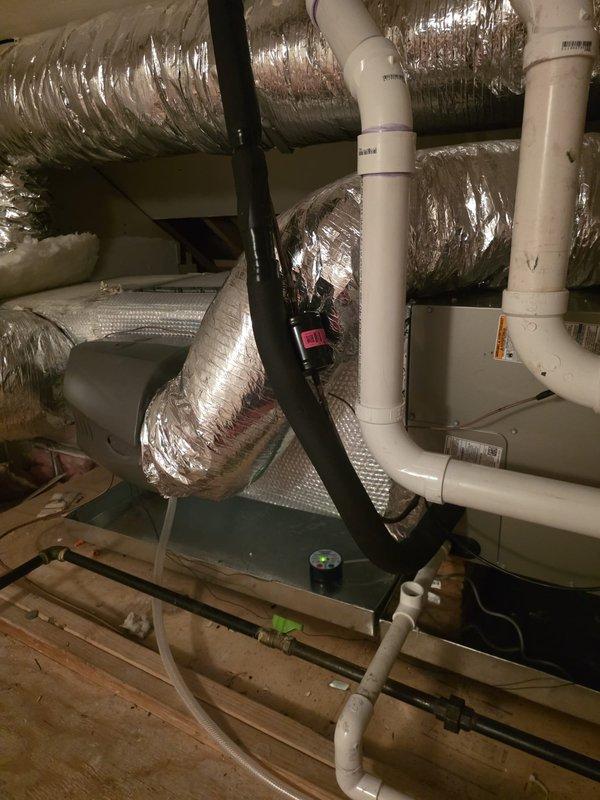
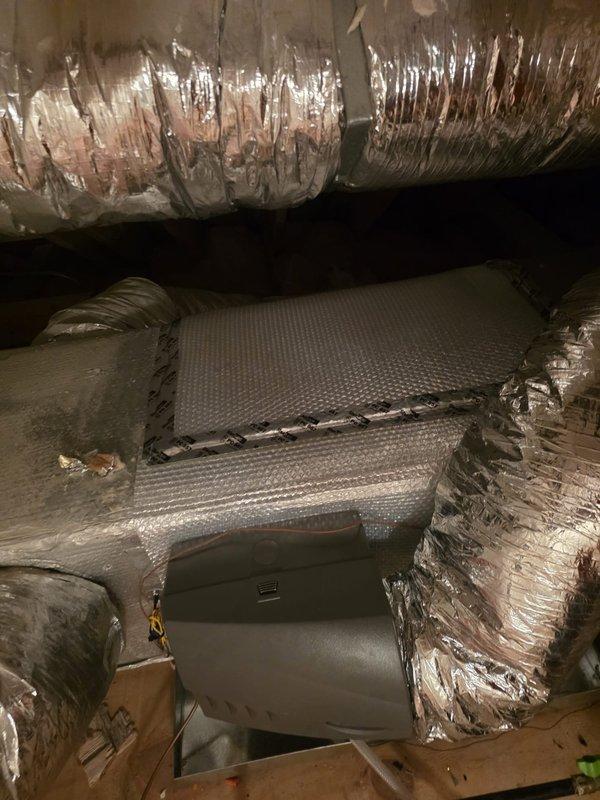

Responded to callback for plenum insulation near humidifier installation. Upon arrival, accessed attic space and located HVAC air handler and associated ductwork. Applied proper insulation to exposed plenum section adjacent to humidifier connection point to prevent condensation issues and improve system efficiency. Verified all ductwork connections remained secure and properly sealed. Documented completed work with photographs showing insulated plenum and surrounding HVAC components.
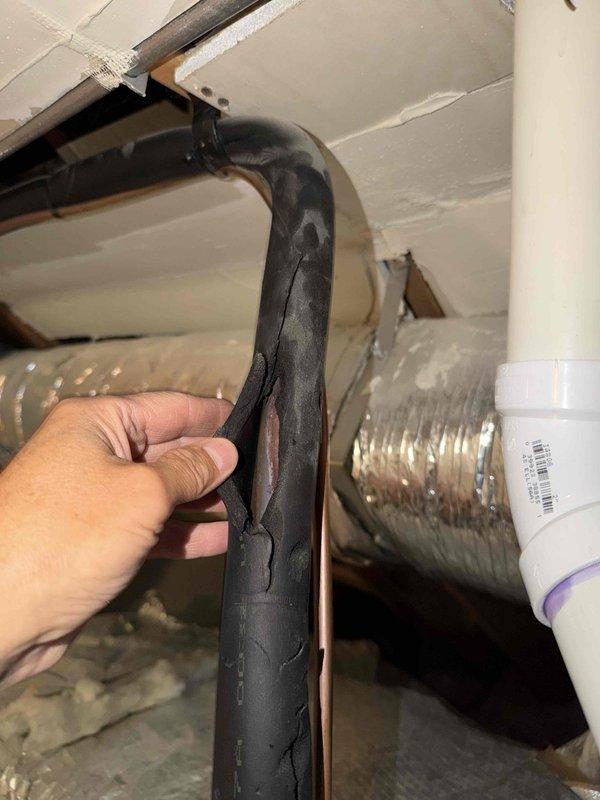
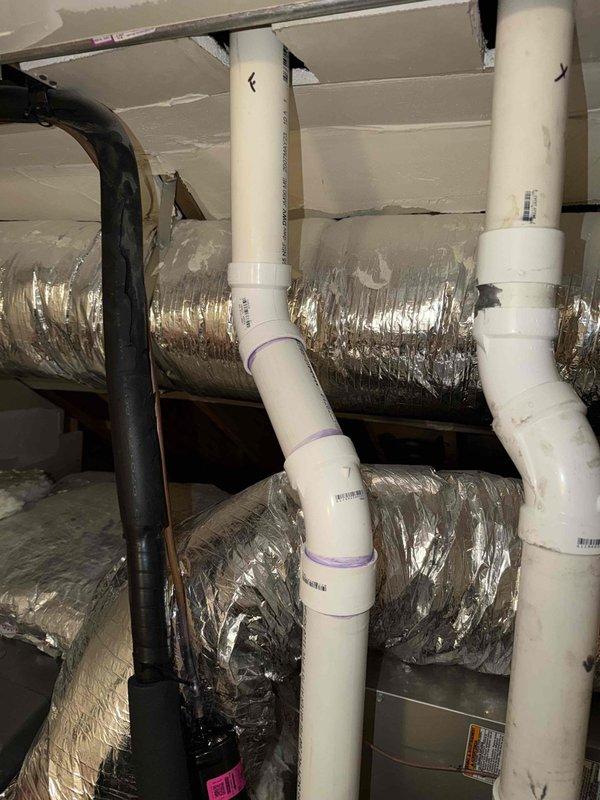
Responded to call back for recently installed air conditioning system reported as non-operational. Upon arrival, performed comprehensive system inspection including attic-mounted ductwork and refrigerant line installations. Inspected foam pipe insulation on refrigerant lines, noting deterioration and potential gaps in coverage that could affect system efficiency. Examined flexible ductwork connections and verified proper sealing at junction points. Checked PVC condensate drain lines for proper pitch and secure connections. Documented existing conditions with photographs showing ductwork configuration, insulation condition, and plumbing installations. System components appeared properly installed with ductwork securely fastened and insulation materials in place, though some insulation showed signs of wear. Verified all mechanical connections in attic space were accessible and properly supported. Rescheduled follow-up appointment to complete diagnostic testing and address any operational
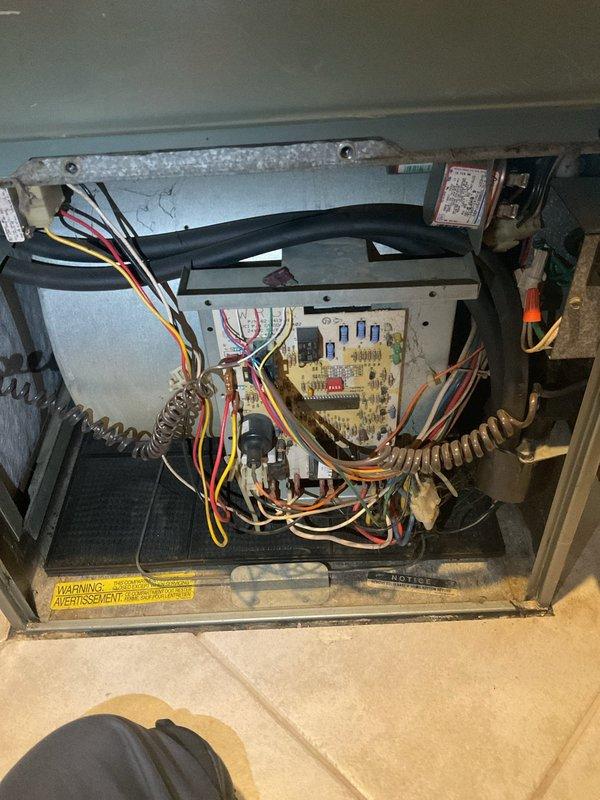
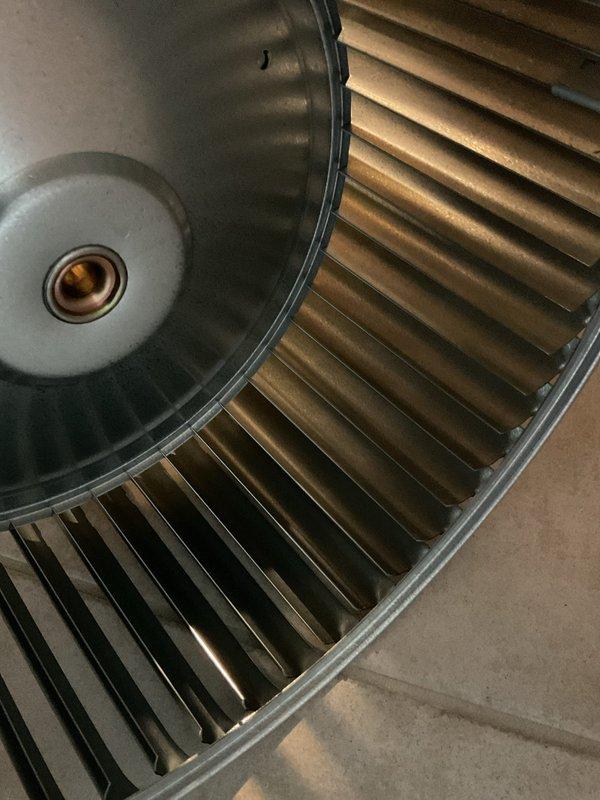
Returned to complete previously scheduled repair work on residential HVAC system. Successfully removed and replaced the defective fan blower wheel to restore proper airflow and system operation. Additionally, installed customer-supplied humidifier unit, integrating it with the existing heating system. All electrical connections were properly secured and tested. System was powered up and cycled through full operation to verify proper function of both the new blower wheel and humidifier installation. Unit is operating within normal parameters with no abnormal sounds or vibrations detected.
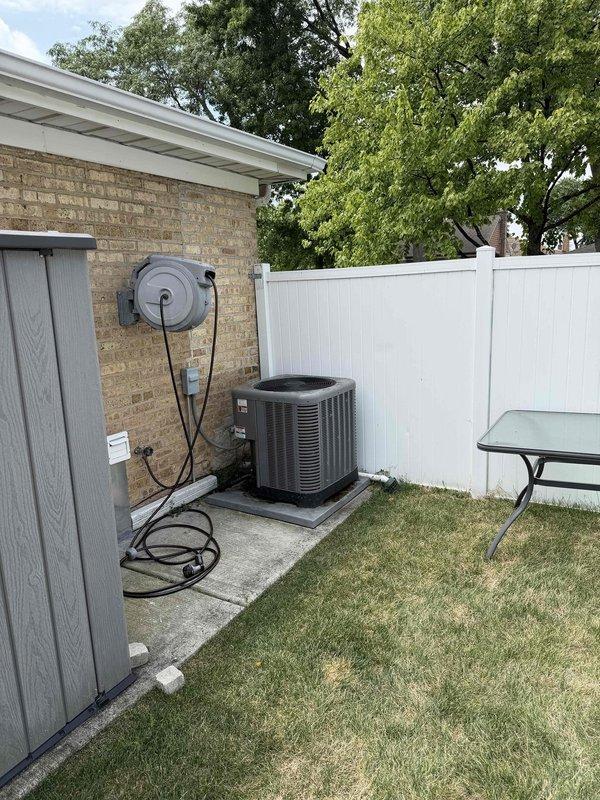
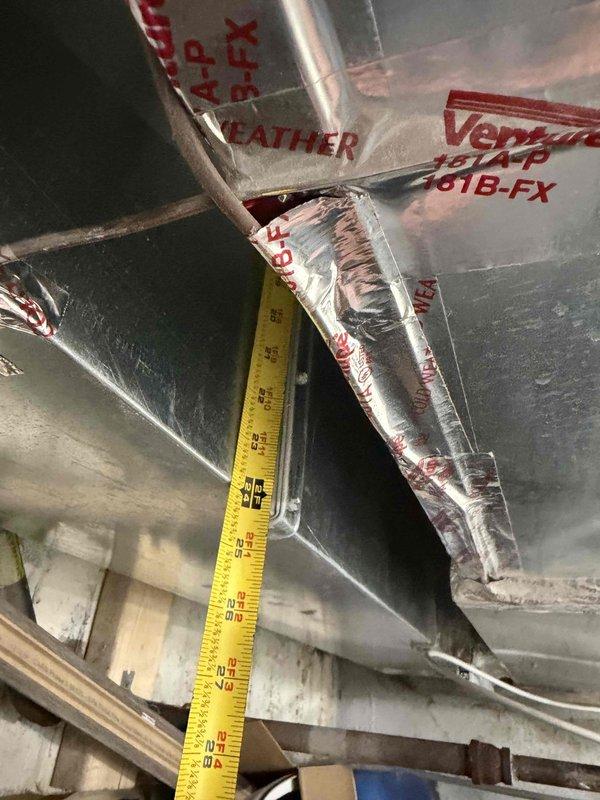

Provided comprehensive estimate for complete air conditioning system replacement after diagnosing an oversized unit causing recurring indoor coil freeze-ups due to insufficient airflow through the ductwork. Consulted with supervisor to confirm assessment that the current system's excessive capacity cannot be remedied through fan speed adjustments alone. Explained to homeowner that the existing system's oversizing combined with inadequate air movement through the duct system creates conditions where the evaporator coil temperature drops below freezing, and while a freeze prevention sensor was previously installed to keep the blower running for circulation, this is only a temporary mitigation rather than a permanent solution requiring proper equipment sizing and airflow correction.
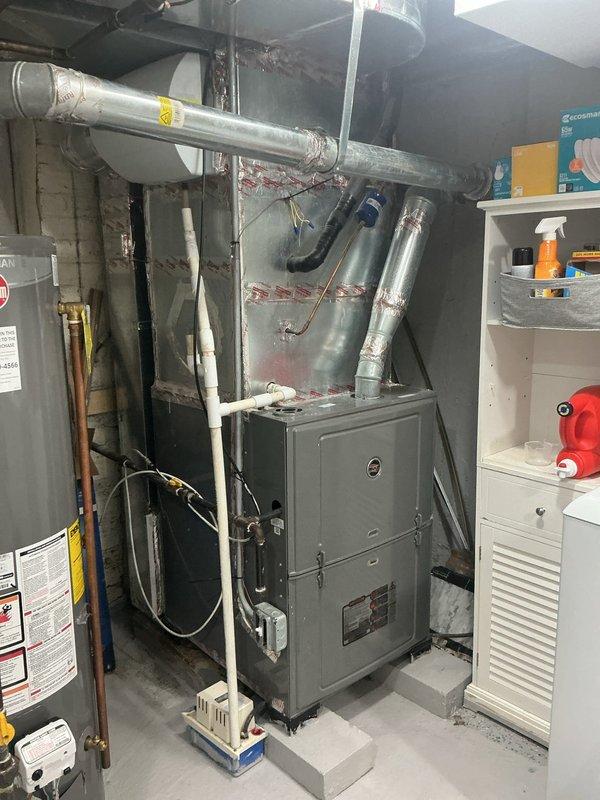
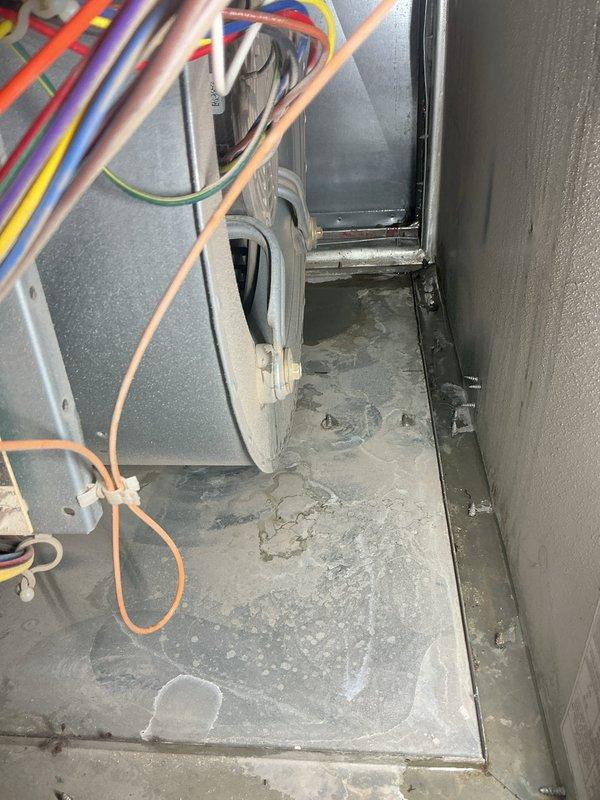

Responded to no cooling complaint on 9-year-old air conditioning system. Upon inspection, found unit was oversized for the home and had a freeze protection sensor previously installed by another technician that was cycling the compressor off while keeping the blower running continuously. This configuration prevented proper cooling, resulting in first floor temperatures exceeding 80 degrees while basement remained in upper 60s, indicating poor air distribution and inadequate dehumidification. Examined evaporator coil area and drain pan, noting evidence of previous moisture accumulation and mineral deposits consistent with freeze-up history. Documented existing equipment configuration and sensor installation. Discussed system sizing concerns and recommended solutions including potential replacement with properly sized equipment, improved airflow management, and thermostat adjustments to address short-cycling and freeze-up issues inherent to oversized systems.
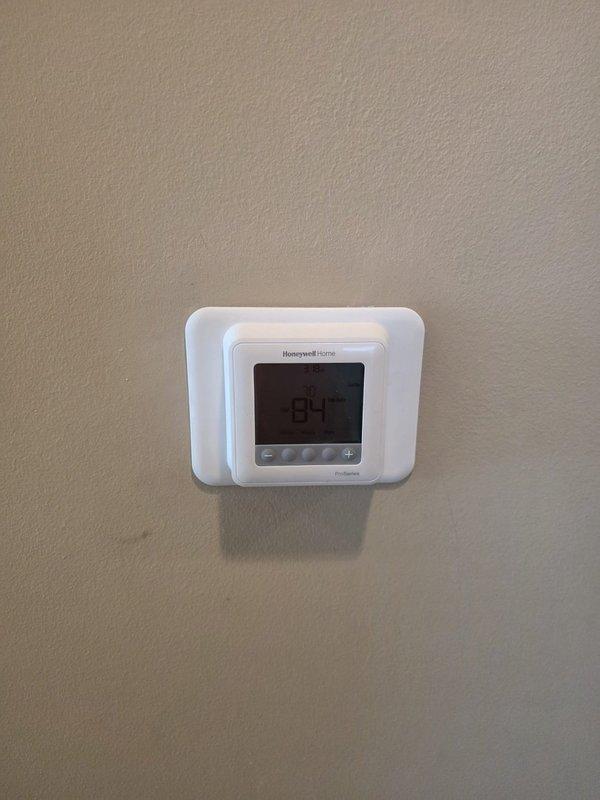
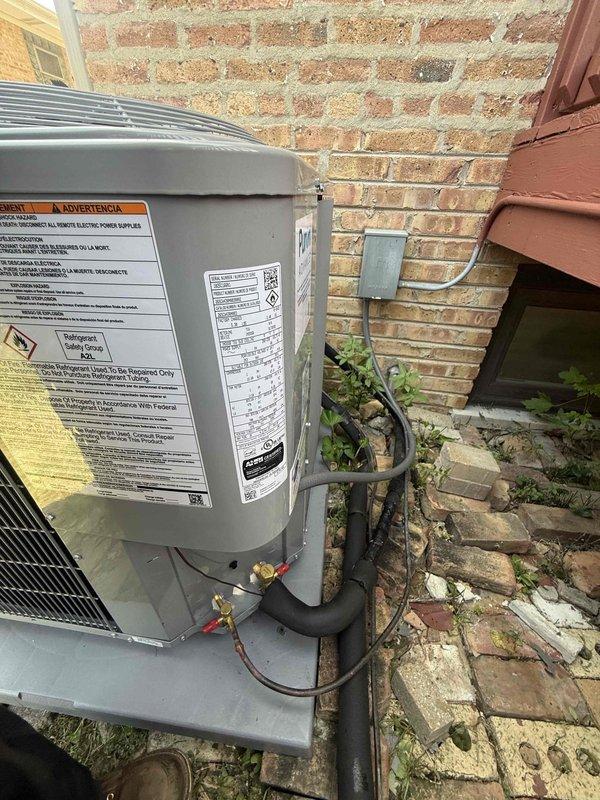
Completed full replacement of two residential HVAC systems, including one unit installed in the attic and one outdoor condenser unit positioned on a concrete pad against the building exterior. The outdoor unit was properly mounted with refrigerant lines and electrical conduit routed along the brick wall, with disconnect box installed for code compliance. New Honeywell Home digital thermostat was installed and programmed to control the system. All equipment was tested for proper operation, refrigerant charge verified, and electrical connections confirmed secure. Job site was left clean and all debris removed.
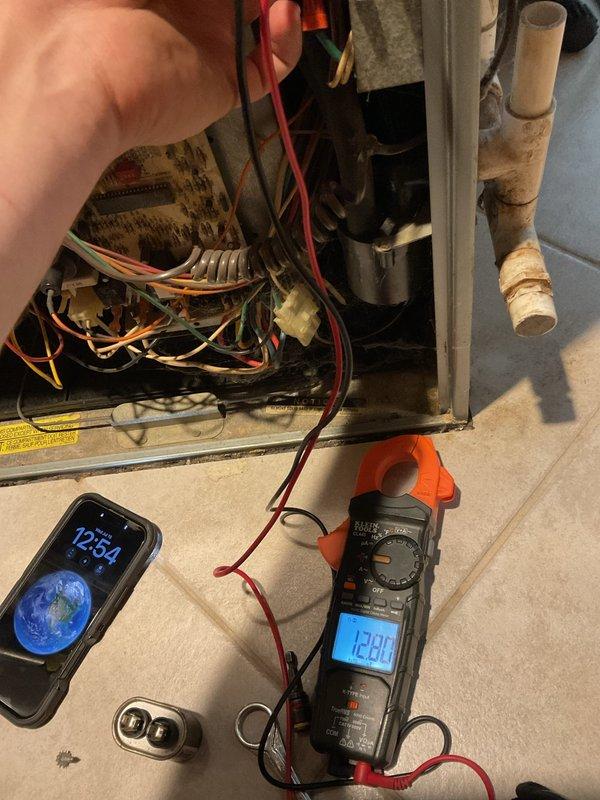
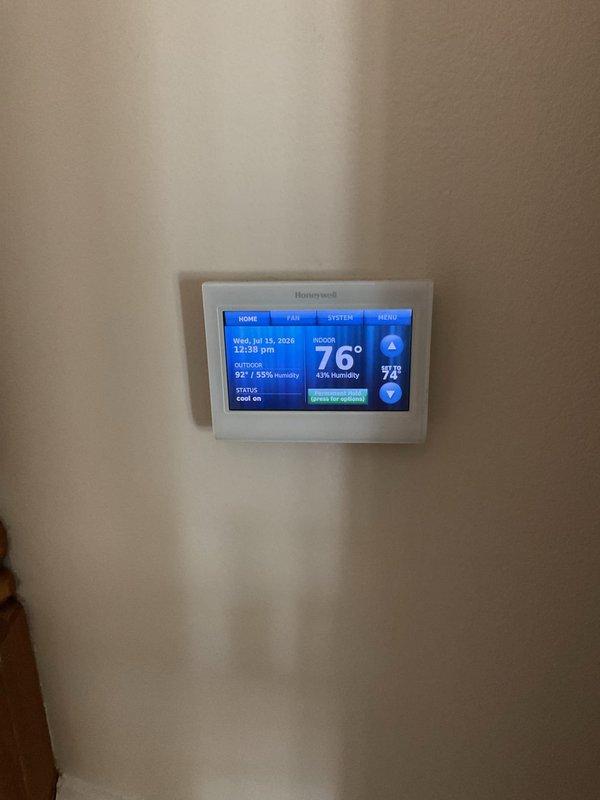
Completed HVAC maintenance agreement service on cooling system. Performed diagnostic testing including electrical measurements using clamp meter on internal components, reading 1290 on display. Accessed air handler unit to inspect control board, wiring connections, and internal components. Verified thermostat operation on Honeywell digital unit showing system cooling properly with indoor temperature at 76° and outdoor temperature at 97°. Provided customer with information regarding humidifier installation options for future consideration.
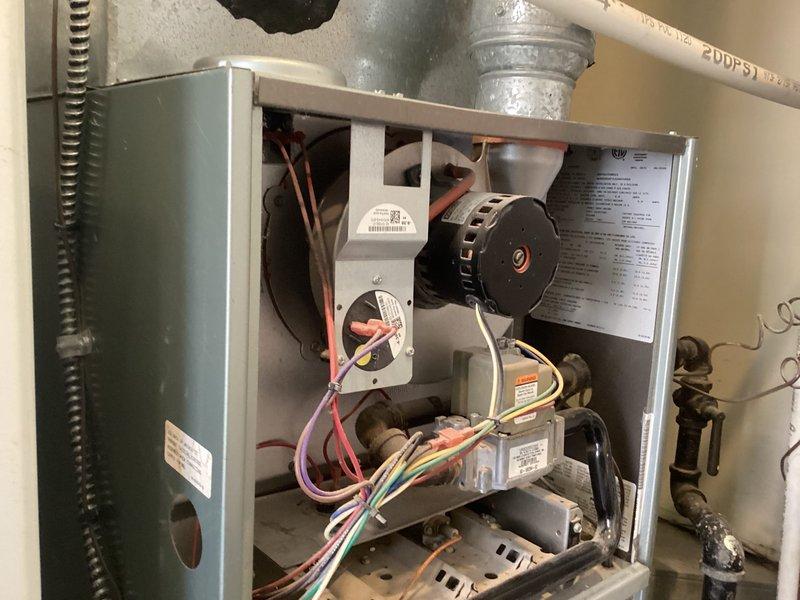
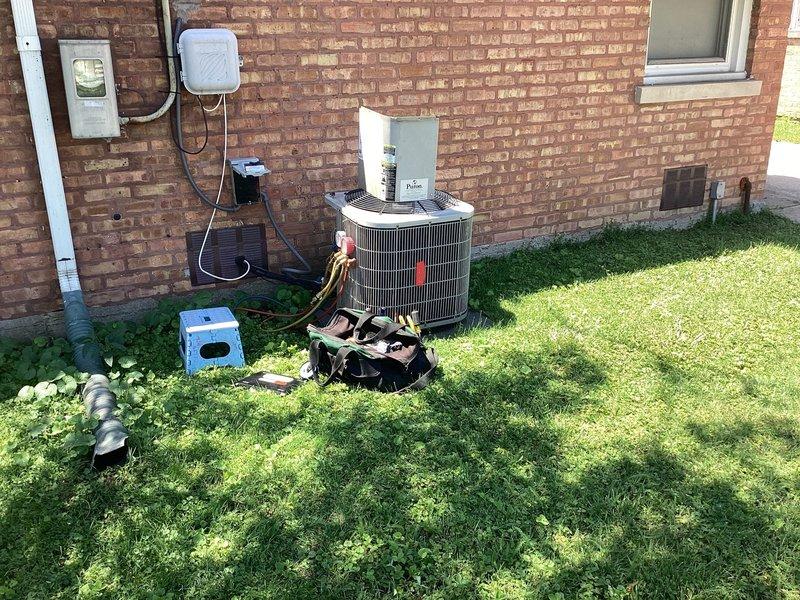
Responded to no cooling complaint on residential HVAC system less than 10 years old. Upon arrival, accessed indoor air handler unit and inspected internal components including blower motor, electrical connections, and control boards. Proceeded to outdoor condenser unit where compressor was found to be inoperative. Removed failed compressor from outdoor unit and staged replacement component on-site. Documented existing refrigerant line connections and electrical wiring configuration. System required compressor replacement to restore cooling functionality.
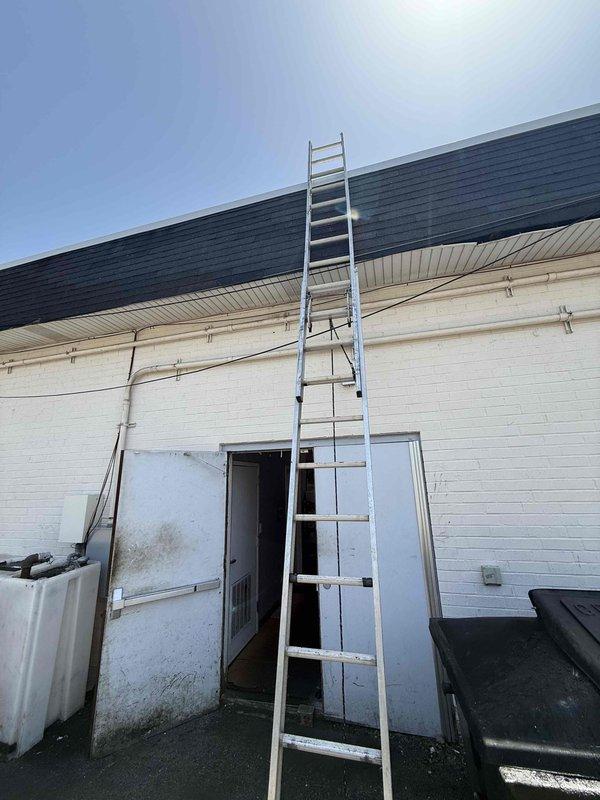
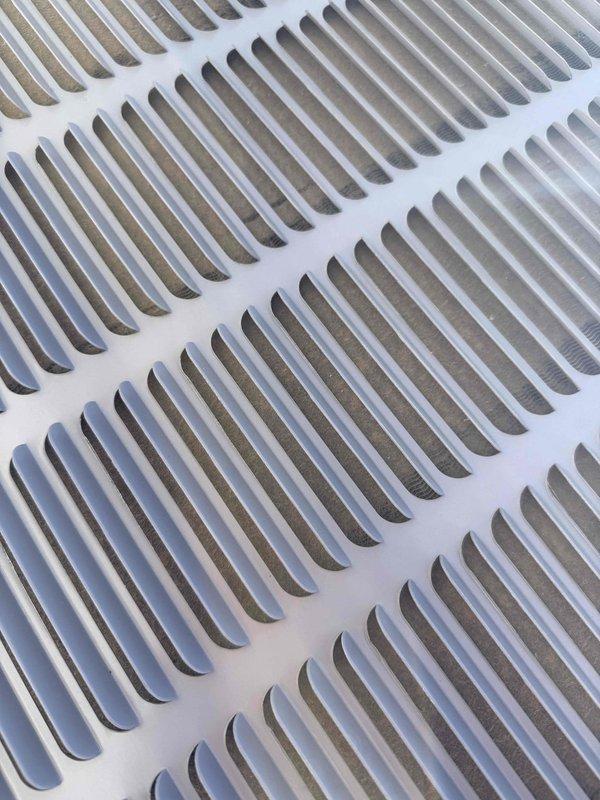
Responded to commercial no-cooling call and accessed rooftop HVAC unit using 28-foot extension ladder. Upon inspection, diagnosed and resolved cooling system malfunction, restoring proper operation to the unit. Equipment tested and confirmed operational before departure.
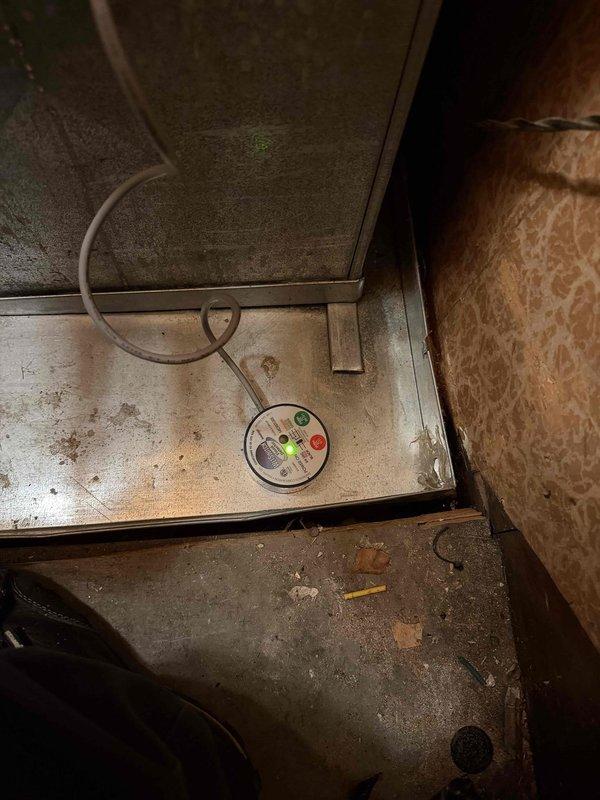
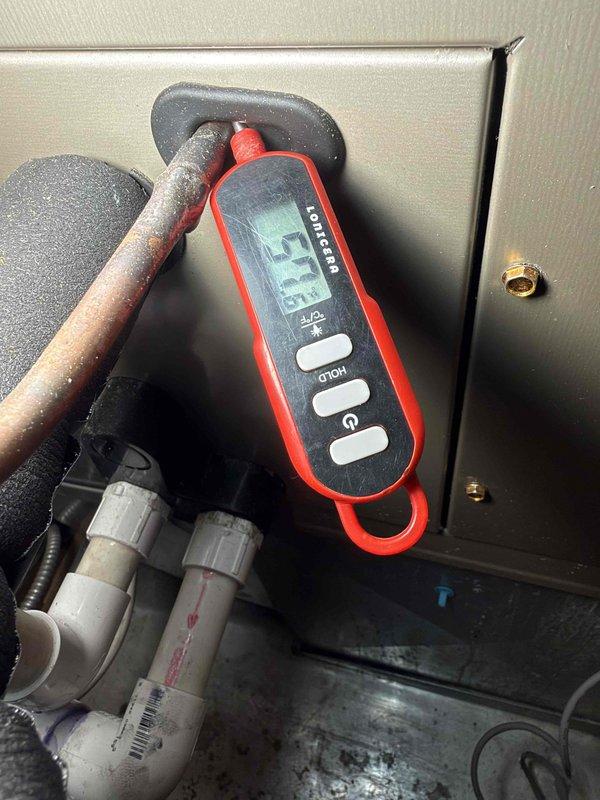
Responded to no cooling call and arrived on site to diagnose air conditioning system that was completely off. Performed system diagnostics using digital measurement tools and inspected refrigerant lines, recording a temperature reading of 57.3 degrees at the copper line. Documented equipment condition with photos showing HVAC unit with diagnostic gauge displaying indicator lights and overall system status for further assessment and repair recommendations.
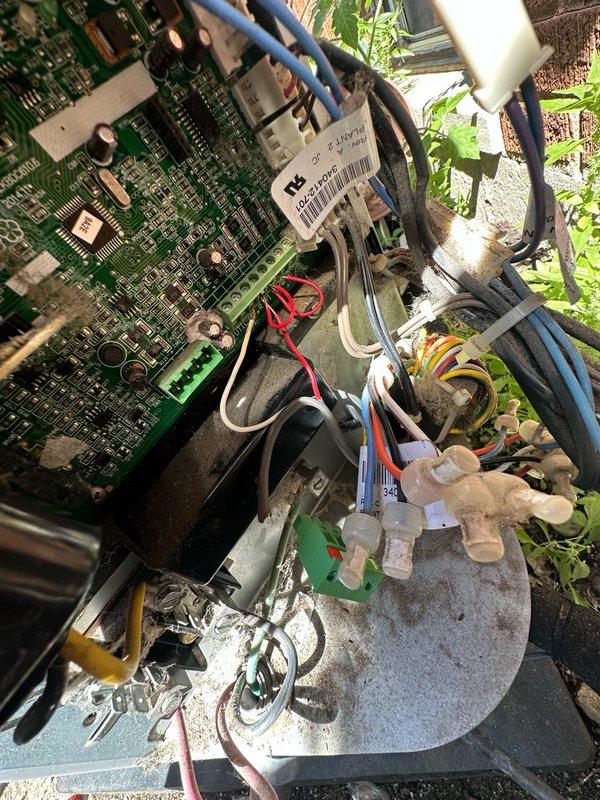
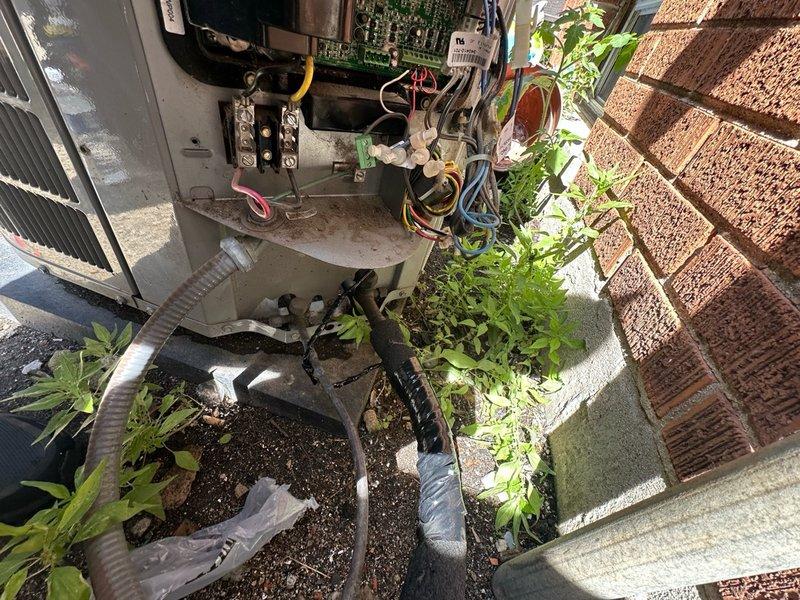
Completed preventive maintenance on outdoor air conditioning unit per maintenance agreement terms. Inspected control board, electrical connections, and wiring harness; verified all terminal connections secure and system operational. Accessed unit through rear entrance per customer request due to front doorbell malfunction.
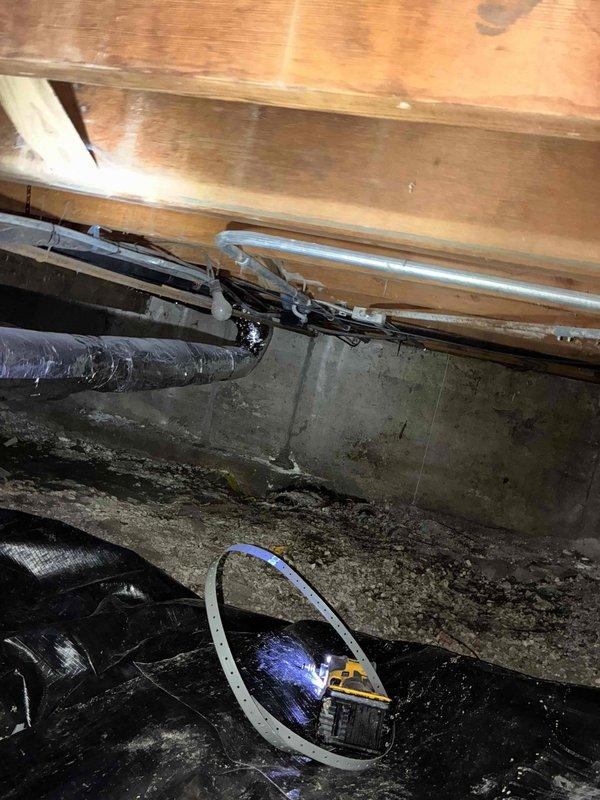
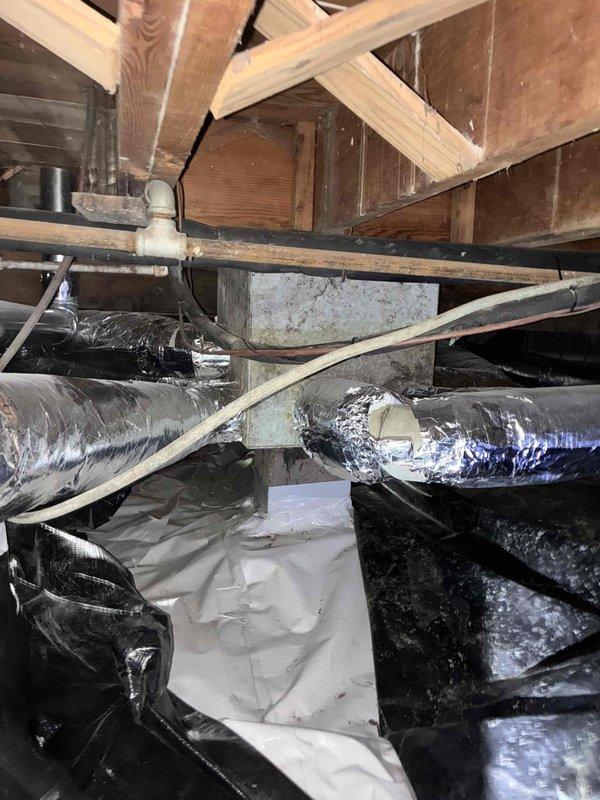
Responded to warranty callback regarding refrigerant line installation in crawl space. Entered wet crawl space and performed thorough inspection of refrigerant lineset routing and support. Found lineset hanging lower than optimal clearance from concrete floor surface, which showed evidence of moisture and biological growth. Secured and re-supported refrigerant lines using additional metal strapping to wooden floor joists above, achieving proper clearance from ground surface. Verified all insulation remained intact on lineset throughout crawl space. Documented conditions with photos and reviewed completed work with customer on site, confirming concerns were addressed to satisfaction.